


Amman Neighborhood Guides 
Rainbow Street Amman: The Old Heart of Jabal Amman

There is something about Rainbow Street that feels unmistakably Ammani.
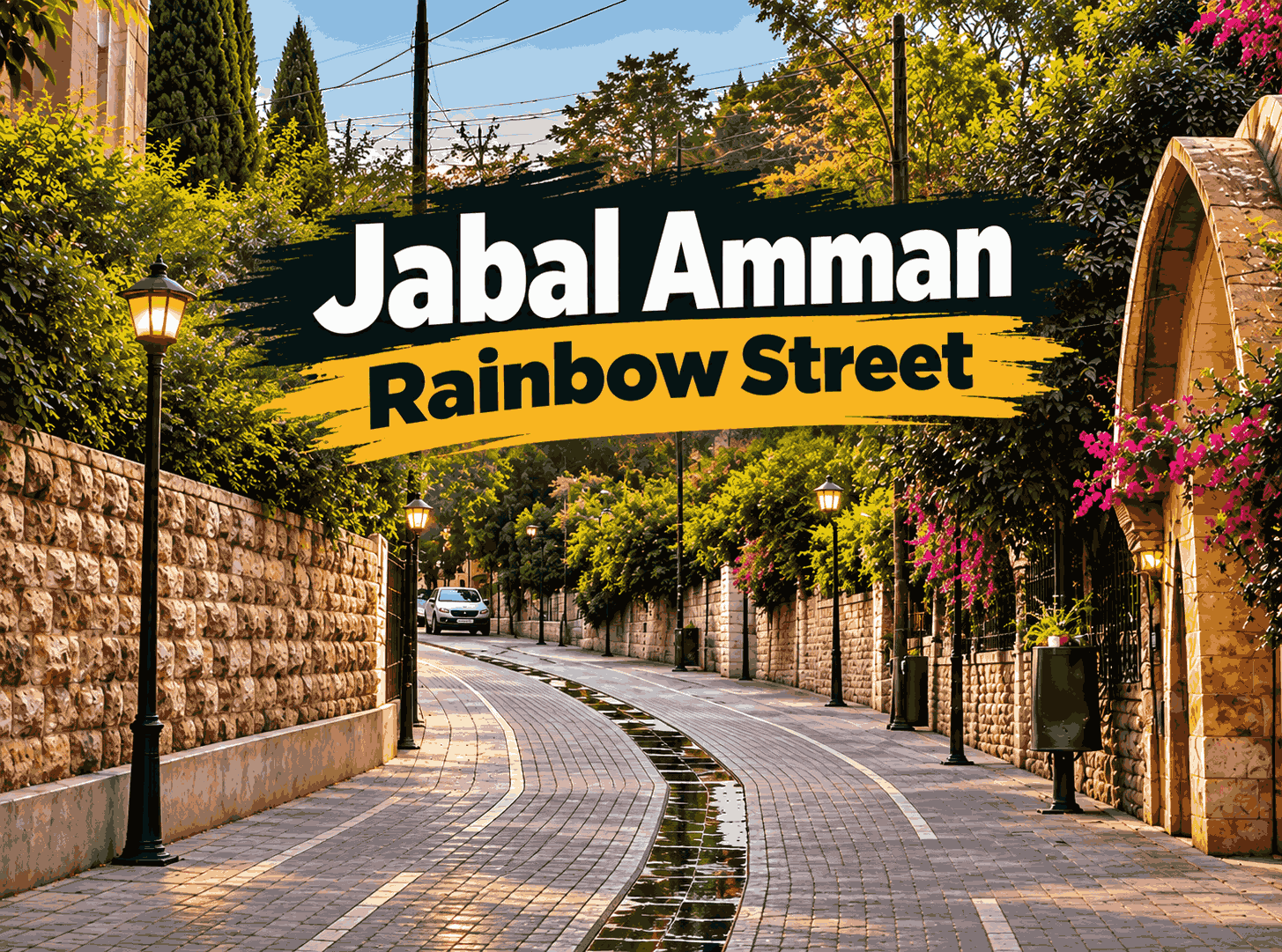
Running through the slopes of Jabal Amman, Rainbow Street — officially Abu Bakr Al-Siddiq Street — connects the First Circle with the older residential streets of the hill. The street is known today for its cafés, restaurants, galleries and local businesses, but its character comes from much more than what is found along the main road.
Look beyond the busy cafés and you will find old limestone houses, mature trees, narrow streets, stairways and views across the hills of Amman. The surrounding streets still carry much of the residential character that has defined Jabal Amman for generations.
That combination of old homes and newer businesses is what makes Rainbow Street different from many other parts of the city.
A Street Surrounded by Old Houses
The character of Rainbow Street is not limited to the main road.
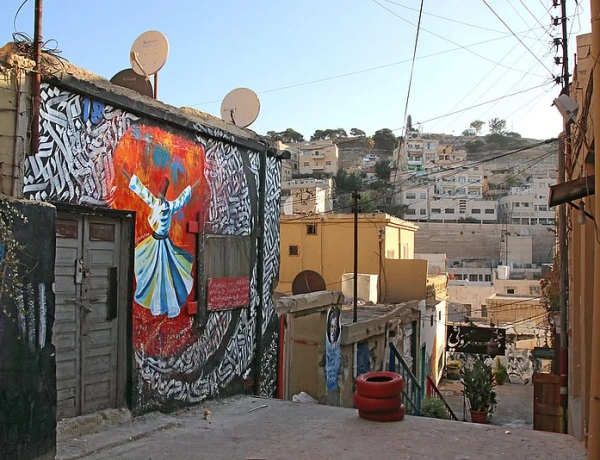
Walk into the smaller streets around it and the pace changes. Stone walls follow the natural slope of the hill, old stairways connect one level to another, and traditional houses sit behind gates, gardens and mature trees.
Some of these older properties have been renovated and given new uses. Others remain private homes. Between them are cafés, galleries, restaurants, small shops and cultural spaces that have gradually become part of the neighborhood.
This mixture is easy to notice when walking around Jabal Amman. A busy café can be only a short distance from a quiet residential lane, while an older stone house may sit next to a more recently renovated property.
Traditional Amman Stone Houses
Stone is one of the most recognisable features of older Amman, and it is particularly noticeable around Jabal Amman.
Many of the older homes have limestone façades, balconies, wooden doors, terraces and gardens. Their design follows the hillside rather than trying to flatten it, giving the surrounding streets a very different appearance from newer parts of the capital.
The buildings also help explain why this part of Amman feels established. These are residential streets that have developed over many years rather than a neighborhood built all at once.
The History Behind Rainbow Street
Rainbow Street was originally part of a largely residential area of Jabal Amman. During the early decades of the twentieth century, homes were built across the hills as Amman expanded and developed.
Some of the area's older villas date from the early and middle decades of the twentieth century. Their presence can still be seen in the buildings and streets surrounding Rainbow Street.
The area has changed since then. Houses have been renovated, businesses have moved into older buildings, and cafés and restaurants have become a familiar part of the street. Yet the older residential layout remains visible.
That is one reason Rainbow Street does not feel like a newly created entertainment district. Its current businesses operate within a much older neighborhood.
Walking Around Rainbow Street
Rainbow Street is best experienced without rushing.
The main road gives you the cafés, restaurants and businesses that have made the street well known, but the side streets show another side of Jabal Amman.
Look for old limestone façades, wooden doors, balconies, gardens behind stone walls and stairways following the natural rise and fall of the hill.
Amman is a city built across hills, and that is particularly noticeable here. A short walk can involve a climb, a set of stairs or a change in elevation that suddenly opens up a view of the city below.
For that reason, exploring Rainbow Street is less about covering a long distance and more about taking time to notice what is around you.
Rainbow Street Today
Rainbow Street has changed considerably from its earlier residential days, but the older neighborhood has not disappeared.
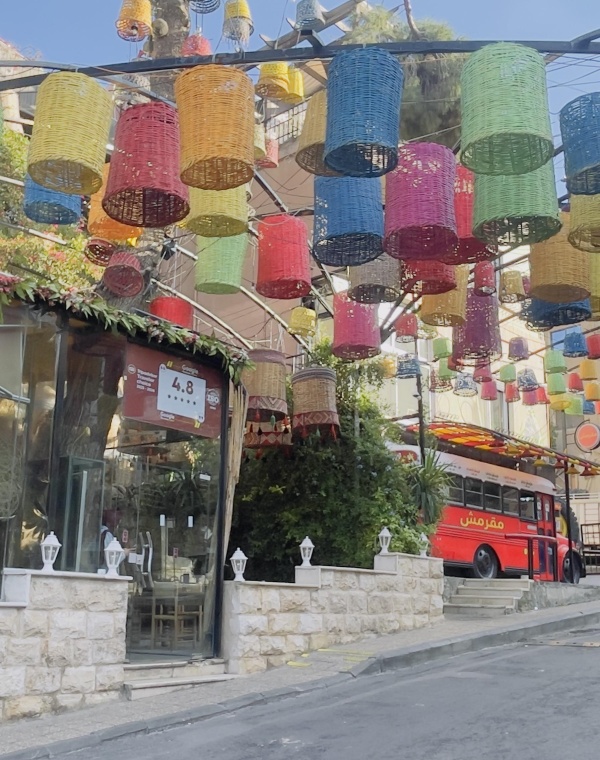
Today, cafés and restaurants sit alongside galleries, shops and older homes. The street attracts both residents and visitors, particularly in the evening when restaurants and cafés become busier.
The Jordan Tourism Board describes Rainbow Street as one of Amman's older streets and highlights its cafés, restaurants, art galleries and artisan businesses. The street is also associated with views toward Downtown Amman.
That mix gives the area a particular rhythm. It can feel social and busy on the main road, while only a few minutes away the surrounding residential streets can be considerably quieter.
Cafés, Restaurants and Local Businesses
Food and coffee are now a major part of the Rainbow Street experience.
The main street has places to sit down for coffee, meet friends, have dinner or spend part of an evening. There are also smaller businesses and shops that give the area a more local feel than a conventional shopping district.
For someone visiting Jabal Amman, this makes Rainbow Street an easy place to combine a walk through the older neighborhood with a meal or coffee stop.
But the businesses are only one part of what makes the street interesting. The older houses, hillside layout and surrounding residential streets are what give the area its identity.
Views Across the Hills of Amman
Rainbow Street's position on Jabal Amman gives it another advantage: the city is part of the scenery.
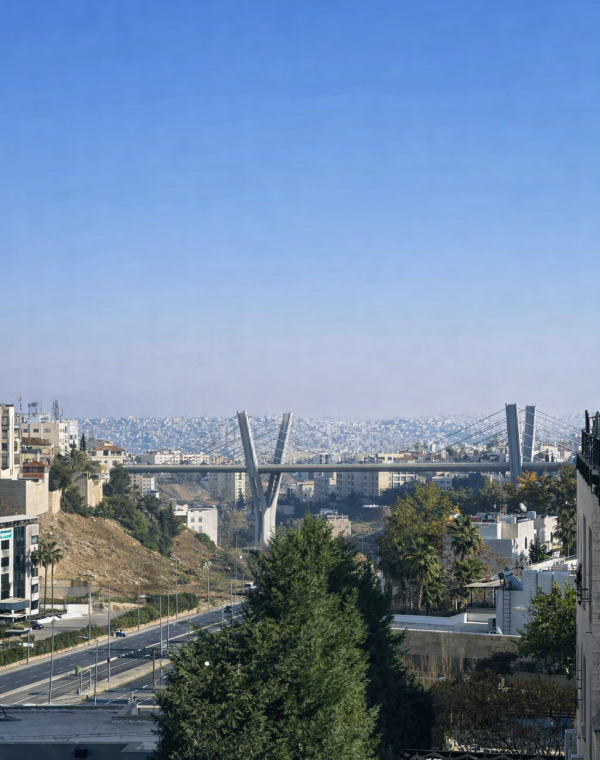
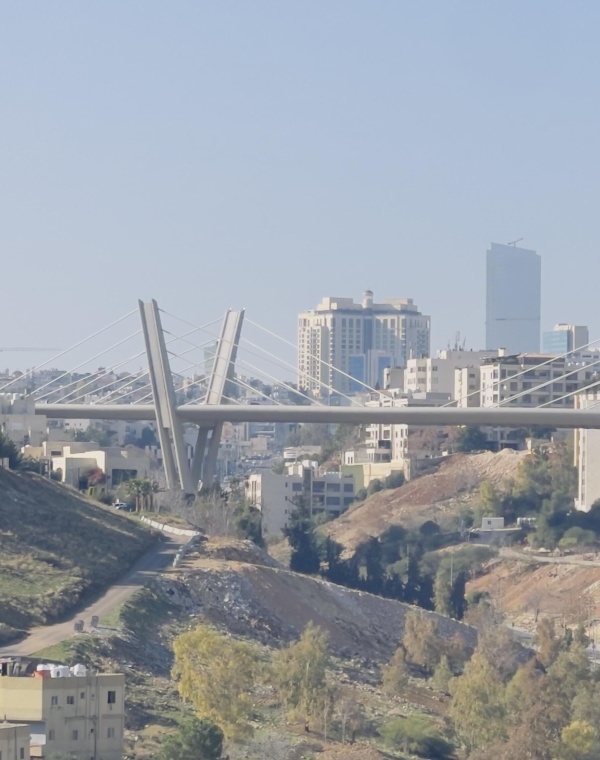
From different points around the neighborhood, you can see the layers of Amman's hills and the pale limestone buildings covering them. Looking toward the lower parts of the city, the view changes as streets, rooftops and older buildings appear between the hills.
The view is especially noticeable from cafés and other elevated spots along the street, but you do not need to sit in a rooftop venue to experience it. The hillside streets themselves provide plenty of changing perspectives.
What Is It Like to Live Near Rainbow Street?
For someone looking for a home in Jabal Amman, the appeal of Rainbow Street is not simply being close to cafés and restaurants.
It is the lifestyle around it.
You can live in an older stone house, a renovated villa or an apartment, walk to a café in the evening, head down toward Downtown or spend time on a balcony surrounded by the trees and hills of Amman.
The neighborhood also offers a different experience from newer residential areas. The streets are more established, the buildings have more varied histories, and the hills and stairways are part of everyday movement through the area.
Things to Consider Before Renting
Living close to Rainbow Street also comes with practical considerations.
The busiest parts of the street can become crowded, particularly during popular evening hours. Parking can require more attention than it would in a newer development with dedicated spaces, and the area's slopes and stairways are not ideal for everyone.
The exact location of an apartment therefore matters. A property described as being “near Rainbow Street” could be on a busy road or tucked away on a quieter residential street several minutes from the main strip.
If you are considering renting in the area, visit the property and walk around the immediate streets before making a decision. Seeing the neighborhood during the day and again in the evening can give you a much clearer picture of what living there would be like.
Rainbow Street and the Rest of Jabal Amman
One of the advantages of Rainbow Street is its connection with the wider Jabal Amman area.
The street is close to older residential pockets, while Downtown Amman is nearby down the hill. This makes it possible to experience several different sides of the city within a relatively small area.
Up on the hill, the streets can feel residential and quiet. Further down, the atmosphere becomes busier, with shops, markets, restaurants and the older commercial center of Amman.
That contrast is part of what makes Jabal Amman such an interesting area to walk through.
Why Rainbow Street Still Feels Like Old Amman
Amman continues to grow, but Rainbow Street has retained a strong connection with the city's older residential character.
The old stone houses are still there. Trees and gardens remain part of the streetscape. Stairways continue to connect the hills, while newer cafés, restaurants and businesses have found their place among the older buildings.
It is this combination that makes the area feel lived in rather than preserved purely for visitors.
Rainbow Street has changed, but it has not lost the neighborhood around it.
Is Rainbow Street Worth Visiting?
If you want to see a different side of Amman, Rainbow Street is worth spending a few hours around.
Come for the cafés and restaurants, but take time to walk beyond the main road. The older houses, stone walls, stairways and residential streets give you a better sense of Jabal Amman than the busy storefronts alone.
It is also an interesting area to consider if you are thinking about living in central or western Amman. The location, architecture, local businesses and access to other parts of the city create a lifestyle that is quite different from newer residential districts.
Finding a Home Around Rainbow Street
Homes around Rainbow Street vary considerably. You may find older stone properties, renovated houses, villas and apartments tucked into the surrounding streets.
The right choice depends on how you want to live. Some people may prefer being close to the cafés and activity of the main street, while others may want the same neighborhood but a quieter residential setting a few streets away.
At AmmanApts, we help people find homes across Amman, including properties in and around Jabal Amman. If you like the character of Rainbow Street, it is worth looking beyond the main road and considering the wider neighborhood.
Rainbow Street is more than a popular street for coffee and dinner. It is part of an older Amman neighborhood where stone houses, hillside streets, local businesses and modern city life continue to sit alongside one another.
Browse available properties across Amman’s neighborhoods and find a location that fits your lifestyle, needs and budget.
Find a Home in Amman by Area

Related Posts
News insight
 Oct 09, 2026
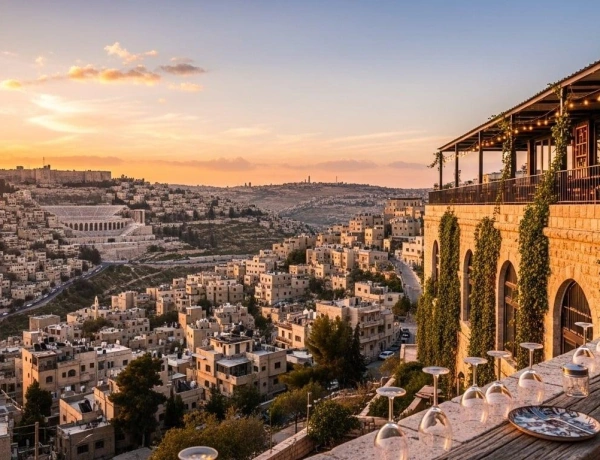
 Where to Live in Amman, Jordan: Weibdeh, Jabal Amman and Abdoun
Explore life in Jabal Al Weibdeh, Jabal Amman, and Abdoun, from traditional stone homes and café str...
 Oct 02, 2026
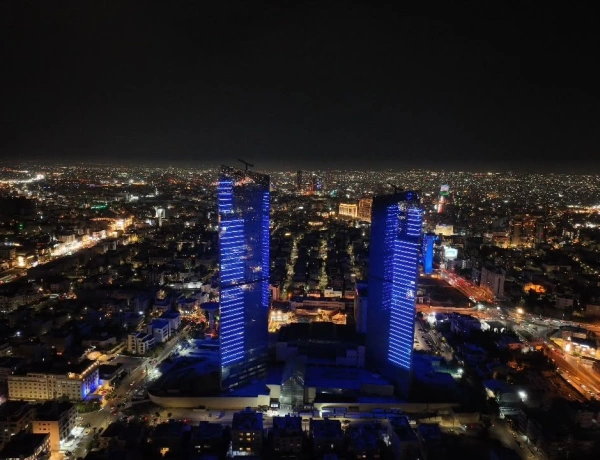
 Is 6th Circle a Good Place to Live in Amman?
Is 6th Circle right for your next apartment in Amman? Compare rent, traffic, nearby areas, restauran...
 Sep 11, 2026
 Best Neighborhoods in West Amman for Expats
Compare the best neighborhoods in West Amman for expats, including Abdoun, Sweifieh, Weibdeh, Jabal...