

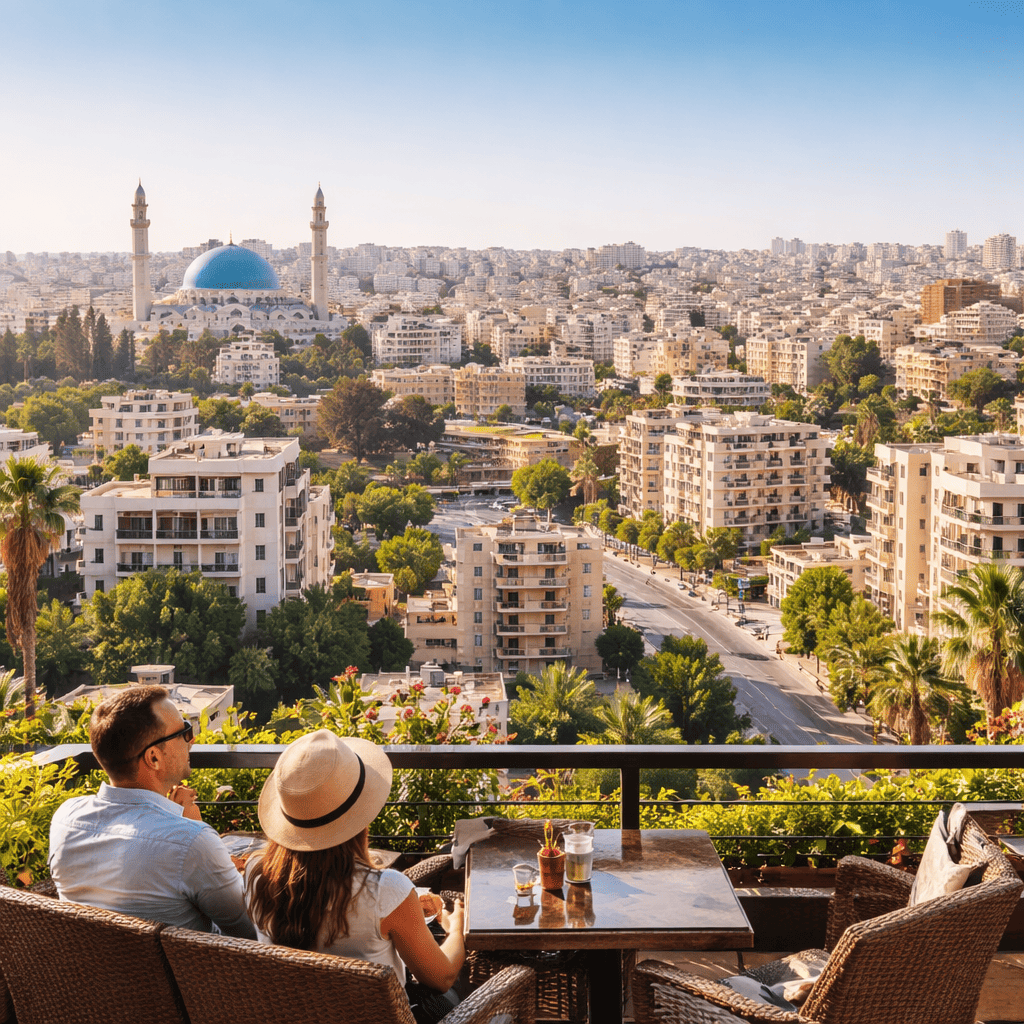

Where Expats Live in Amman: 5 Best Neighborhoods for Foreign Residents (2026)

Every year, thousands of professionals, diplomats, NGO workers, entrepreneurs, and students move to Amman. Some arrive for regional jobs, others for university or business opportunities in the Middle East. One of the first practical questions most newcomers ask is simple: where do expats live in Amman?
Amman is spread across hills, and each neighborhood feels slightly different. Some districts are busy commercial centers with restaurants and offices. Others are quieter residential areas where families and long-term residents live.
When people begin searching for apartments for rent in Amman, they quickly realize that certain neighborhoods appear again and again in recommendations. Over the years these areas have developed strong international communities, making them easier places for foreigners to settle.
These neighborhoods typically offer a few important advantages. Apartment buildings are newer, services are reliable, and daily life is convenient. Supermarkets, cafés, gyms, and pharmacies are usually nearby. English is also widely spoken in these districts, which helps newcomers adjust during their first months in the city.
Location also matters. Traffic in Amman can be heavy during rush hours, so many expats prefer living closer to the western districts where most offices, embassies, and international businesses are located.
As a result, most foreign residents end up living in a few well-known areas of western Amman. Neighborhoods such as Abdoun, Sweifieh, Jabal Amman, Dabouq, and Khalda consistently attract expats because they offer a comfortable balance of safety, accessibility, and housing options.
Understanding the character of each area can help you narrow down your apartment search and avoid wasting time visiting neighborhoods that don’t match your lifestyle.
What Expats Usually Look for When Renting in Amman
Foreign residents often approach renting slightly differently than locals. Many are arriving in the city for the first time, which means they focus heavily on convenience and reliability.
One of the biggest priorities is location relative to work. Living close to your office can make a significant difference because traffic between districts can add time to daily commutes. Many professionals working with international companies prefer neighborhoods in western Amman because they are closer to business centers.
Another important factor is the type of apartment building. Expats often look for buildings with elevators, underground parking, and secure entrances. Furnished apartments are also popular, especially among people relocating for one or two years.
Access to everyday services also plays a role. Being able to walk or drive a short distance to supermarkets, restaurants, or gyms makes life much easier when settling into a new city.
Reliable internet, building maintenance, and safe parking are other details many renters consider before signing a lease.
These practical concerns explain why certain neighborhoods continue to attract a large number of foreign residents.
Abdoun: A Well-Known Area for International Residents
Abdoun is one of the most established residential neighborhoods in Amman and is often the first area recommended to expats. The district has long been associated with diplomatic residences and embassies, which has helped shape its international character.
The neighborhood combines quiet residential streets with lively commercial areas filled with cafés and restaurants. This balance is one reason many foreigners feel comfortable living here.
Daily errands are relatively simple in Abdoun. Supermarkets, bakeries, gyms, and pharmacies are all easy to reach. Many restaurants serve international cuisine, and several cafés are popular meeting spots for professionals and remote workers.
Apartment buildings in Abdoun are typically modern compared with older districts in the city. Many include elevators, underground parking, and security systems. Furnished apartments are also relatively common, which is useful for newcomers who do not plan to buy furniture immediately.
Rental prices here are among the highest in Amman. A typical one-bedroom apartment usually rents between 550 and 900 JOD per month, depending on the building and interior quality. Larger apartments or newly renovated units can cost significantly more.
Despite the higher rent, Abdoun remains one of the most popular neighborhoods for expats because it offers comfort, safety, and easy access to services.
If you want to explore available homes in the area, you can browse apartments for rent in Abdoun on AmmanApts to see current listings and typical prices.
Sweifieh: Central and Convenient
Sweifieh is one of the busiest commercial districts in Amman and a common choice for young professionals. The neighborhood is known for its shopping streets, restaurants, and lively atmosphere.
For many expats, Sweifieh offers something practical: convenience. Banks, grocery stores, cafés, and shopping centers are concentrated in the area, which means everyday errands can often be done within a short distance.
Another advantage is its location. Sweifieh sits close to several important commercial areas, making it easier for people working in nearby offices to commute.
Housing in Sweifieh varies widely. Some buildings are older but provide spacious apartments, while newer developments offer modern interiors and updated facilities.
Rent in Sweifieh is generally slightly lower than in Abdoun. One-bedroom apartments typically range between 400 and 650 JOD per month, depending on the building and location.
Many expats choose Sweifieh because it allows them to live in a central part of the city without paying the highest rental prices.
You can also check apartments available in Sweifieh on AmmanApts to see what types of properties are currently listed.
Jabal Amman: Historic Character and Walkable Streets
Jabal Amman is one of the oldest residential districts in the capital and has a completely different atmosphere from the newer parts of the city.
The neighborhood is known for its historic houses, hillside streets, and wide views across Amman. Many older villas have been converted into apartments or cafés, which gives the area a unique character.
One of the most famous parts of the district is Rainbow Street. The street has become a well-known destination filled with restaurants, cafés, and small shops. Living nearby means you can easily walk to many of these places, which is something many residents appreciate.
Because of this environment, Jabal Amman often attracts artists, entrepreneurs, and remote workers who prefer a neighborhood with personality rather than large modern developments.
Apartments in the area vary widely. Some buildings are older but spacious, while others have been renovated with modern interiors. Rental prices depend largely on the condition of the building and the view.
For expats who enjoy historic surroundings and walkable streets, Jabal Amman can be one of the most interesting places to live in the city.
Dabouq: Quiet and Spacious Residential Living
Dabouq sits on the western edge of Amman and is known for its quiet environment and larger residential properties. Compared with central districts, the neighborhood feels calmer and more spacious.
Many diplomats and executives live here because the area offers privacy and wider streets with less traffic. Apartment buildings and villas often include larger living spaces than those found closer to the city center.
Although Dabouq is quieter, essential services are still nearby. Supermarkets, schools, and restaurants are reachable within a short drive, and the area connects easily to major roads leading into the rest of the city.
Apartments in Dabouq are typically larger and more modern, which means rents can be higher than average. However, many residents appreciate the peaceful atmosphere and additional space.
Khalda: Practical and Well Connected
Khalda is another neighborhood frequently chosen by foreigners, particularly those planning to stay in Amman long term.
The district has a strong residential character. Streets are filled with apartment buildings, small grocery stores, bakeries, and everyday services. It may not have the nightlife of Sweifieh or the prestige of Abdoun, but it offers something many renters value: practicality.
Apartments in Khalda are usually spacious and more affordable than those in luxury neighborhoods. This makes the area attractive to families, students, and professionals who want comfortable housing without paying premium prices.
Another advantage is location. Khalda sits close to the University of Jordan and several commercial districts, making it convenient for students and employees working nearby.
Many long-term residents appreciate Khalda because it offers a good balance between affordability and accessibility.
If you are exploring this area, browsing apartments for rent in Khalda on AmmanApts can help you understand current rental options.
Areas Expats Usually Avoid at First
When newcomers first arrive in Amman, they often focus on neighborhoods where services and international communities are already established.
Some districts farther from western Amman may offer lower rent, but they can also be less convenient for foreigners who are still learning the city. Restaurants, supermarkets, and English-speaking services may be harder to find in those areas.
For this reason, many expats choose to start in neighborhoods like Abdoun, Sweifieh, or Jabal Amman. After living in the city for some time and becoming familiar with transportation routes and local services, some residents decide to explore other districts.
Starting in a well-known expat neighborhood usually makes the transition to life in Amman smoother.
Finding Apartments for Rent in Amman
Once you have an idea of which neighborhood suits your lifestyle, the next step is searching for available apartments.
In the past, renters often relied on agents or walked through neighborhoods looking for rental signs. Today most people begin their search online.
Local platforms such as https://ammanapts.co. allow renters to browse apartments across different neighborhoods in Amman and compare prices, locations, and property features.
Viewing several apartments before making a decision is always recommended. Visiting the building and surrounding streets helps you understand the environment and see whether the location feels convenient for daily life.
How Expats Usually Choose a Neighborhood in Amman
Most expats do not choose a neighborhood randomly. In practice, the decision usually depends on three practical factors: commute, building type, and daily services nearby.
People working with embassies, NGOs, or international companies often prefer areas such as Abdoun or Sweifieh because they are closer to offices, restaurants, and coworking spaces. Living nearby can reduce daily travel time, especially during morning and evening traffic.
Another factor is the type of apartment building. Some districts in Amman still have older residential buildings without elevators or parking. Expats who want newer apartments with elevators, underground parking, and secure entrances usually focus their search in western neighborhoods where newer developments are more common.
Daily convenience also matters more than many newcomers expect. Having a supermarket, pharmacy, or café within a few minutes can make everyday life much easier. Areas such as Sweifieh and Jabal Amman are popular partly because many services are close by.
Before signing a lease, many long-term residents recommend visiting the neighborhood at different times of the day. Traffic patterns, parking availability, and street activity can feel very different in the evening compared with the morning.
Once you narrow down the neighborhood that fits your routine, the apartment search becomes much more straightforward. Local rental platforms such as AmmanApts make it easier to see current listings across neighborhoods and contact property owners directly.
Also Read: Moving to Amman? Find the Right Apartment Without Overpaying
News insight
 Oct 09, 2026
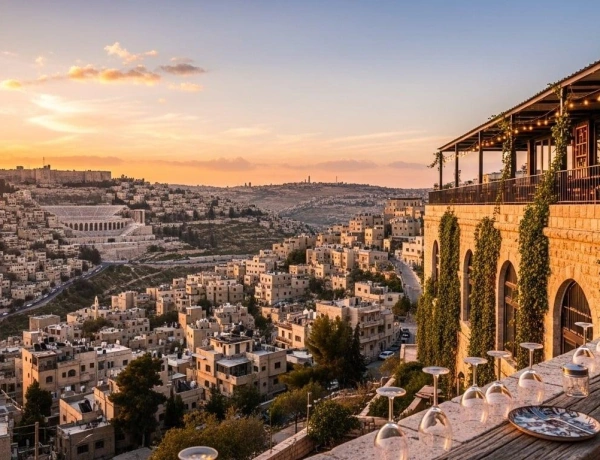
 Where to Live in Amman, Jordan: Weibdeh, Jabal Amman and Abdoun
Explore life in Jabal Al Weibdeh, Jabal Amman, and Abdoun, from traditional stone homes and café str...
 Oct 02, 2026
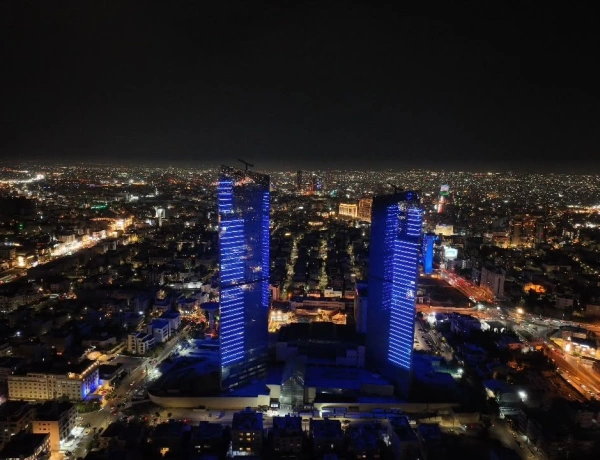
 Is 6th Circle a Good Place to Live in Amman?
Is 6th Circle right for your next apartment in Amman? Compare rent, traffic, nearby areas, restauran...
 Sep 25, 2026
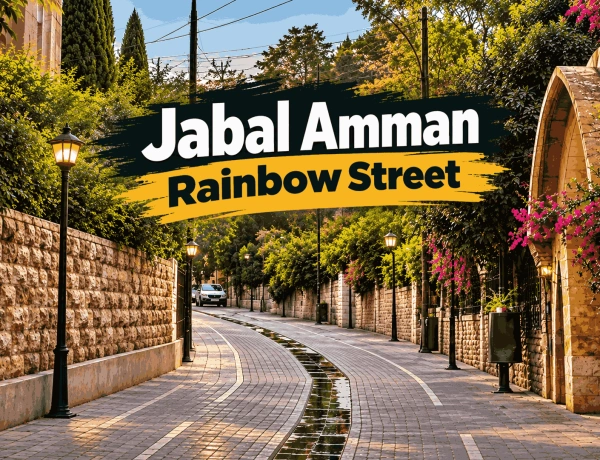
 Rainbow Street Amman: The Old Heart of Jabal Amman
Rainbow Street Amman runs through historic Jabal Amman, with old stone houses, cafés, galleries, hil...