

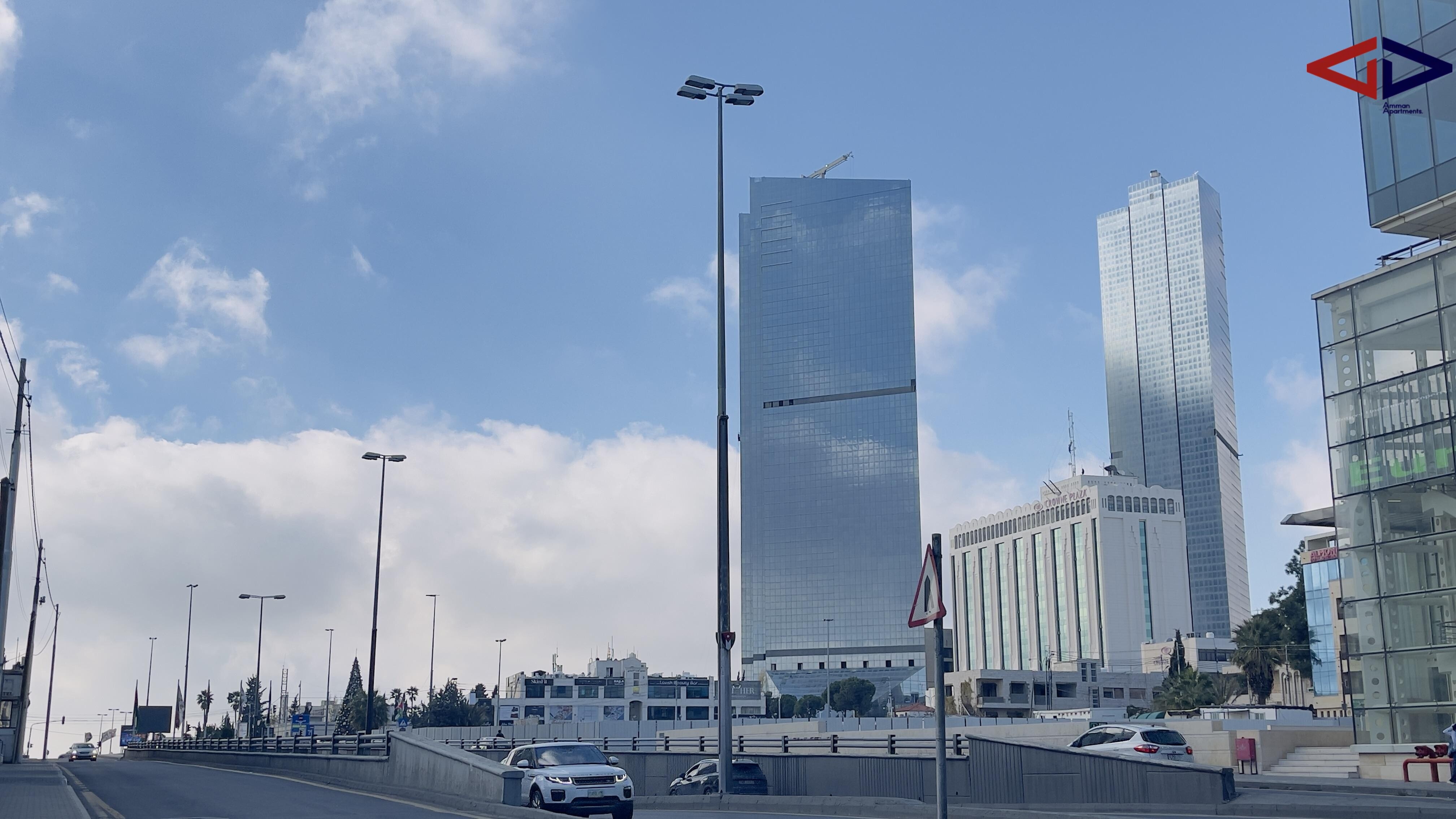

Apartment for Rent in Amman – Real Prices, Areas & Living Costs

Anyone can search for an Apartment for rent in Amman and get thousands of results.
Very few of those results prepare you for what daily life will feel like after the keys are handed over.
Updated with current rent ranges and neighborhood-specific living conditions based on long-term renter experience in Amman , this guide focuses on what actually affects comfort, costs, and day-to-day routines once you move in.
People who rent successfully in Amman are not better negotiators or luckier than others. They simply understand how the city behaves. They know which problems are common, which ones are expensive, and which ones quietly drain your time and energy.
This blog is written for people who want to rent once and stay put — not move again after three or six months. It explains how apartments in Amman function in real conditions, not how they are described in listings.
Why the Amman Rental Market Confuses Even Experienced Renters
Amman does not operate like cities with centralized rental systems. There is no consistent pricing logic, no shared standard for apartment condition, and no reliable way to compare listings without context.
Most apartments are owned by individuals. That creates several realities renters need to understand early:
Rent prices are aspirational, not fixed
Maintenance quality depends entirely on the owner
“Furnished” has no agreed meaning
Two identical apartments can be priced very differently
Owners often price apartments based on what they hope to earn, not what tenants actually pay. Negotiation is expected, but only when done calmly and with context. People who rush or accept first prices almost always overpay for the entire lease.
Where Is the Best Place to Live in Amman? The Question People Ask Too Early
The question itself is incomplete.
The real question is: where will daily life feel manageable for you ?
Amman’s neighborhoods differ less in appearance than in behavior. Traffic patterns, parking pressure, winter sunlight, noise after dark, and water reliability all change from one street to the next.
Below is how people end up choosing — not how they plan to.
Abdoun: Stability Over Space
Abdoun attracts renters who want housing to disappear from their list of concerns. Buildings are newer, streets are wider, and services are predictable. Water pressure problems are less frequent, and power infrastructure is generally more reliable than in older parts of the city.
This is why Abdoun has a high number of furnished apartments for rent in Amman monthly . It suits people arriving for work assignments, diplomatic roles, or short-to-medium stays who want minimal friction.
The cost is not just rent. You trade space and character for consistency. Smaller apartments here often cost more than larger ones elsewhere, but residents accept that trade because daily life is simpler.
People rarely leave Abdoun because something goes wrong. They leave because they realize they’re paying for stability they no longer need.
Jabal Amman: Comfort Depends on Micro-Location
Jabal Amman has the widest gap between expectation and experience. It is visually appealing and culturally dense, but its housing stock is uneven.
Buildings vary dramatically in insulation, sunlight, and sound exposure. A 1 bedroom apartment for rent in Amman here can feel warm and quiet if it faces south or west and sits above street level. That same layout facing north or sitting below road grade can remain cold throughout winter regardless of heating.
Parking is not an inconvenience here — it is a daily negotiation. Residents who stay long-term usually accept walking several minutes to their building and avoid streets near nightlife corridors.
People who move out early often rented based on photos and daytime viewings.
Sweifieh: Time Savings at a Cost
Sweifieh works when your routine already revolves around it. Living close to offices, malls, gyms, and services can reduce commute time significantly. That is why demand for studio apartment for rent in Amman listings remains high in this area.
The downside is constant activity. Traffic does not stop in the evening, and noise patterns change throughout the day. Apartments on main roads feel very different after sunset than during midday viewings.
Residents who stay long-term choose inner streets, higher floors, and buildings set back from traffic corridors.
Khalda: Where Long-Term Renters Settle
Khalda rarely appears in promotional content, but it consistently retains residents. Layouts are practical, buildings are generally well-maintained, and access to major roads is straightforward without constant congestion.
Families and long-term renters often choose Khalda for a 2 bedroom apartment for rent in Amman because space, parking, and daily logistics balance out here better than in trendier neighborhoods.
People who move to Khalda usually do so after living elsewhere first.
How Much Does Rent Cost in Amman? What People Pay After Negotiation
Asking prices and paid prices are rarely the same. The figures below reflect what tenants accept for apartments they remain in — not what appears in ads.
Studio apartment for rent in Amman
Unfurnished: 350–500 JOD
Furnished: 400–600 JOD
1 bedroom apartment for rent in Amman
Unfurnished: 250–500 JOD
Furnished: 350–550 JOD
2 bedroom apartment for rent in Amman
Unfurnished: 500–1000 JOD
Furnished: 1000–1500 JOD
Cheap unfurnished apartments for rent in Amman
350–500 JOD
Typically older buildings with trade-offs in insulation, water storage, or location
Lower rent almost always reflects a compromise. The important question is whether that compromise affects daily life or remains manageable.
Monthly Costs That Turn Cheap Rent Into Expensive Living
Rent is only part of the expense.
Apartments with poor sunlight and insulation increase electricity usage significantly in winter. Units with small water tanks create weekly stress and additional expenses. Older wiring leads to appliance issues.
Typical monthly costs:
Electricity: 25–60 JOD (higher in winter)
Water: 5–15 JOD
Internet: 20–30 JOD
Gas: 7–10 JOD
A slightly higher rent in a better-designed apartment often costs less overall.
Water Supply: The Problem Most Renters Underestimate
In most parts of Amman, water is delivered once per week. Apartments rely entirely on rooftop storage tanks.
Important questions renters should ask:
How many tanks serve the building?
How many apartments share them?
Has water ever run out before refill day?
Apartments with insufficient storage affect daily routines — showers, laundry, cleaning — especially for families. This issue exists in both expensive and cheap buildings.
Winter Living: Why Some Apartments Become Uncomfortable Quickly
Amman winters are short but harsh indoors. Concrete buildings retain cold, and heating systems vary widely in effectiveness.
Apartments most affected:
North-facing units
Basement or semi-basement apartments
Buildings with limited window exposure
Tenants often underestimate winter discomfort during summer viewings. By January, heating costs and indoor temperature become decisive factors.
Sun exposure matters more than floor finishes.
Furnished Apartments for Rent in Amman Monthly: Who Benefits and Who Doesn’t
Furnished apartments are designed for transitional living.
They make sense for:
Short-term contracts
New arrivals without belongings
People staying under nine months
They lose value when:
Furniture quality is poor
Rent is inflated without justification
Stay extends beyond one year
Many residents begin with furnished units and switch to unfurnished once they understand neighborhoods and costs.
Cheap Unfurnished Apartments for Rent in Amman: How Locals Evaluate Them
Cheap apartments are not avoided by locals — but they are examined differently.
Local inspection habits include:
Checking for humidity smell immediately
Assessing winter sunlight direction
Inspecting water tanks and pumps
Testing noise levels at night
Asking neighbors how long they’ve lived there
A modest apartment that stays warm, dry, and quiet costs less over time than a larger one that doesn’t.
Rental Contracts in Amman: What Actually Matters
Contracts are usually simple and written in Arabic. Complexity is not the risk — ambiguity is.
Key points renters must clarify:
Rent increase conditions
Early exit penalties
Maintenance responsibility
Deposit return criteria
Landlords who allow questions and revisions are usually easier to deal with long-term.
Negotiating Rent Without Creating Problems
Negotiation is part of the process, but tone determines outcome.
Effective approaches:
Committing to longer leases
Paying several months in advance
Communicating clearly and calmly
Ineffective approaches:
Comparing unrelated listings
Pressuring owners
Criticizing condition aggressively
Most rent reductions happen quietly when owners feel confident the tenant will stay.
Why People Leave Apartments After a Few Months
Early move-outs follow consistent patterns:
Cold indoor temperatures
Parking conflicts
Water shortages
Nighttime noise
These are not dramatic failures. They are cumulative frustrations. All can be identified before signing if inspected properly.
Why Local-Focused Platforms Matter in Amman
Large portals treat Amman like a uniform rental market. It isn’t.
They often display:
Duplicate listings
Outdated prices
Photos that hide context
A platform like ammanapts.co exists because renters need neighborhood-specific understanding, not volume.
What Changes When an Apartment Fits Daily Life
When renters choose well:
Daily routines stabilize
Costs remain predictable
Housing stops consuming attention
When they don’t:
They move again
They overpay
They lose time and energy
That difference comes from understanding how Amman works — not from luck.
News insight
 Sep 18, 2026
 Cafés in Amman With the Best Views of the City
Find cafés and rooftop spots in Amman with views of Downtown, the Citadel and city hills, from Jabal...
 Feb 20, 2026
 Cost of Living in Amman 2026: Rent, Utilities, Food & Monthly Budget Guide
How much does it cost to live in Amman in 2026? Detailed breakdown of rent by neighborhood, electric...
 Jan 18, 2026
 Renting an Apartment in Amman: How to Choose the Right Area and Home
Renting an apartment in Amman? Learn how to choose the right area, budget, and apartment with this p...