


Lifestyle & Living 
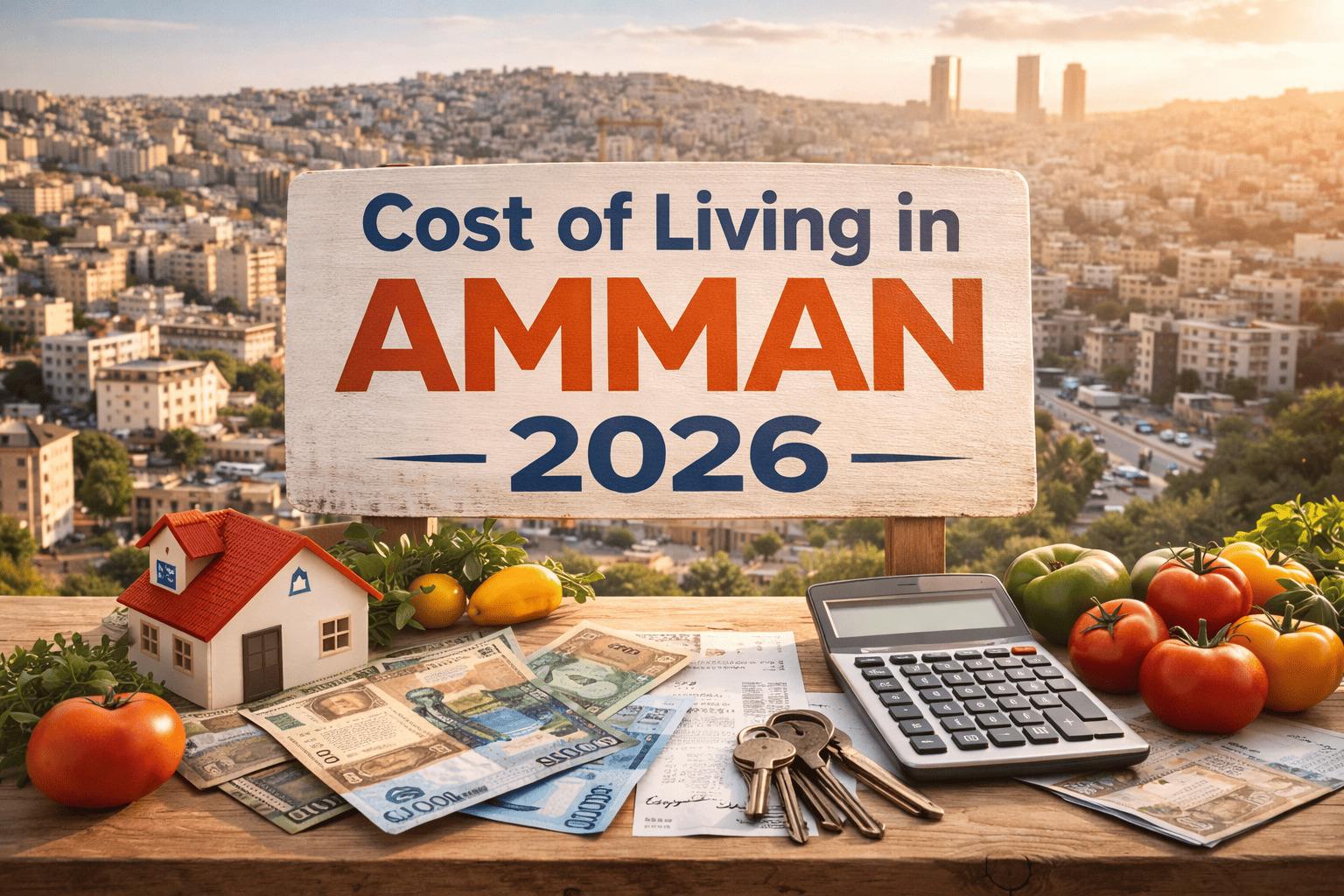
Cost of Living in Amman 2026: Rent, Utilities, Food & Monthly Budget Guide

People usually search for the cost of living in Amman when they are about to make a decision — accept a job offer, move out, relocate their family, or start university.
The question is simple:
How much money do I actually need each month to live in Amman in 2026?
The answer depends mostly on rent. After that, schooling if you have children.
Then electricity during summer. Groceries and internet rarely cause financial strain unless spending habits are extreme.
Below is a realistic breakdown of how people are living in Amman right now.
Rent in Amman
Rent is the single largest expense in the city.
In western neighborhoods such as Abdoun , a modern two-bedroom apartment in a clean building with parking commonly exceeds 1,100 JOD per month. Furnished units often go higher.
In Sweifieh, one-bedroom apartments usually fall between 550 and 700 JOD depending on building age and condition.
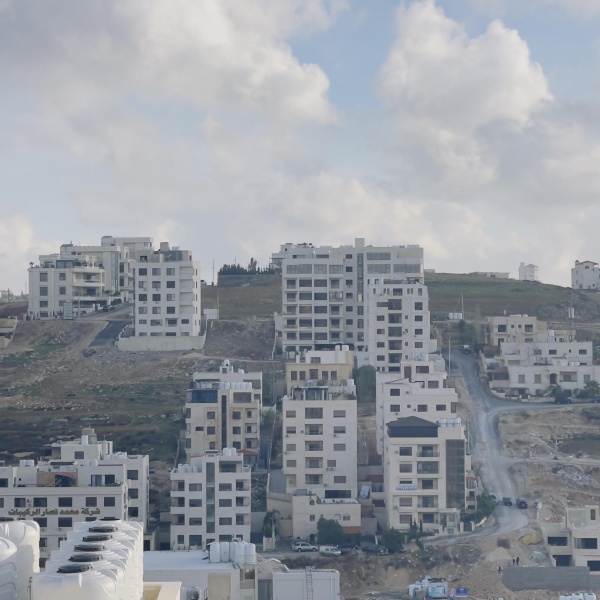
In Khalda, two-bedroom apartments are often available between 650 and 850 JOD. Many families prefer this area because it offers more space for less money than premium districts.
Parts of Jabal Amman vary. Renovated apartments command higher prices, while older units remain moderate.
Studios in non-premium districts can still be found in the 230–330 JOD range if unfurnished.
The gap between districts can easily reach 400 JOD per month for similar apartment sizes. Over a year, that difference becomes significant.
Lease Terms
Most rental contracts in Amman run for one year.
Tenants usually pay:
One month security deposit
Agency commission in some cases
Full-year commitment
Many listings quote annual rent instead of monthly. Always confirm which one you are being shown.
Furnished apartments cost more. Long-term residents often choose unfurnished units to reduce total yearly expenses.
Electricity Bills
Electricity is the expense people underestimate.
From autumn to spring, bills are manageable. Many apartments stay between 50 and 80 JOD depending on usage. In July and August, air conditioning increases consumption. Larger apartments or top floors may see bills rise to 120 or even 150 JOD during peak summer.
Jordan’s tiered electricity system means the more you use, the higher your rate becomes.
Budgeting for summer spikes is important when calculating the cost of living in Amman 2026.
Water and Gas
Water costs are relatively low compared to rent and electricity. Most households effectively spend between 15 and 25 JOD monthly depending on usage and building systems.
Cooking gas remains stable. A standard LPG cylinder costs around 7 JOD and typically lasts about one month in a small household.
These expenses are predictable.
Internet and Mobile
Fiber internet is widely available across Amman.
Providers such as Orange Jordan and Umniah offer home packages generally between 20 and 35 JOD per month depending on speed.
Compared to housing, internet is a minor expense.
Grocery Spending
Food prices in Amman remain manageable in 2026, especially for local products.
Staples such as bread, rice, eggs, milk, and poultry are reasonably priced.
A single adult cooking most meals at home may spend around 170–220 JOD monthly on groceries.
A couple typically spends between 300 and 380 JOD.
A family of four often falls between 450 and 600 JOD depending on habits.
Frequent restaurant dining and imported brands increase spending more than base supermarket pricing.
Transport Costs
Fuel prices in early 2026 remain slightly above one JOD per liter.
Daily commuters can spend between 150 and 220 JOD monthly on fuel depending on distance and traffic.
Residents who rely on ride services such as Careem or Uber often spend between 80 and 120 JOD monthly.
Owning a car also includes maintenance, insurance, and registration costs.
Housing location often affects transport spending more than fuel prices themselves.
School Expenses
For families, education significantly changes the cost of living in Amman.
Private and international schools vary widely in tuition. Some begin at a few thousand dinars per year, while established international schools exceed 7,000 JOD annually per child.
Transport, uniforms, and activity fees add further costs.
For many households, schooling becomes the second largest expense after rent.
Living Alone
A single professional renting a mid-range one-bedroom apartment and living moderately often spends between 1,000 and 1,200 JOD per month.
The majority of that total is rent.
Living as a Couple
A couple renting a two-bedroom apartment in a mid-range district typically spends between 1,600 and 1,900 JOD monthly depending on lifestyle.
Housing and groceries define most of the total.
Living with Children
Families with private school tuition frequently exceed 2,500 JOD per month once rent, schooling, groceries, and transport are included.
Housing and education dominate the budget.
Students in Amman
Students who share apartments and cook regularly can live below 600 JOD per month.
Shared housing significantly reduces the cost of living in Amman.
Amman Compared Within Jordan
Amman remains the most expensive rental market in the country.
Compared to Irbid, rental prices in western Amman are higher.
Compared to Zarqa, the gap is even larger.
Aqaba varies depending on neighborhood and property type.
Employment concentration and infrastructure keep Amman at the top of Jordan’s housing market.
What Shapes Your Monthly Cost
In 2026, the cost of living in Amman depends mainly on:
The district you choose
The size of your apartment
Whether you have school tuition
Your summer electricity usage
Groceries and internet rarely determine financial comfort. Rent does.
If rent fits your income, the city feels manageable. If rent stretches your budget, every other expense feels heavier. That is how people are living in Amman in 2026.
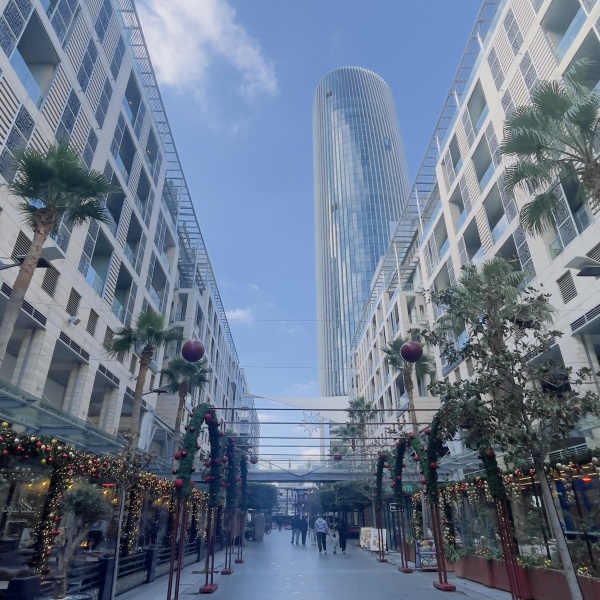
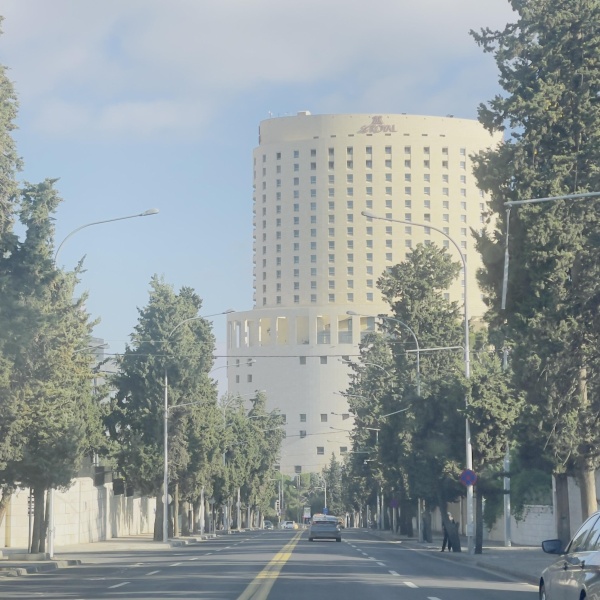
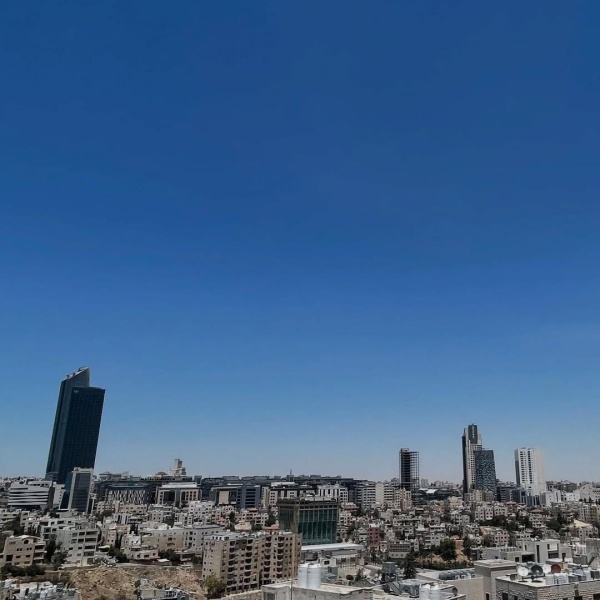
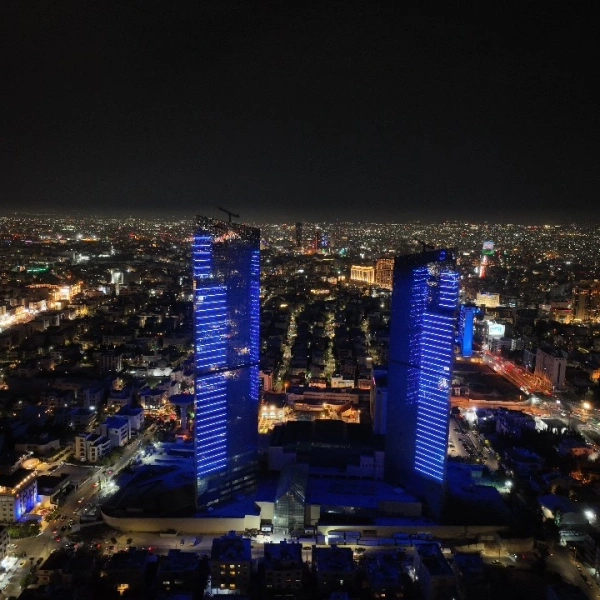
Explore Properties in Amman By Area
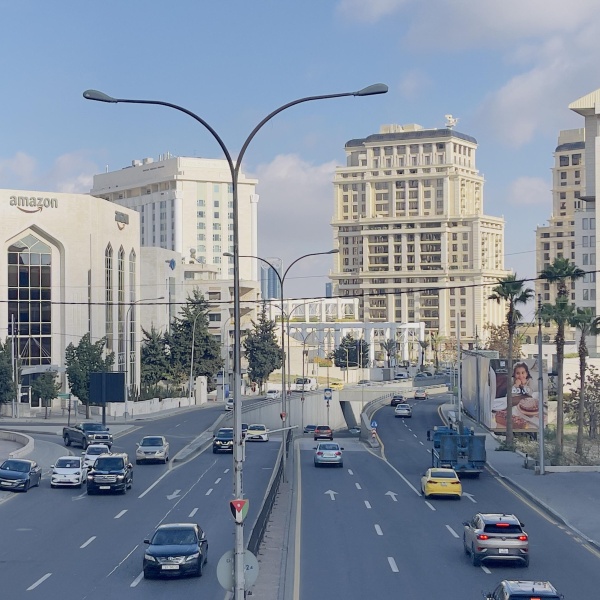

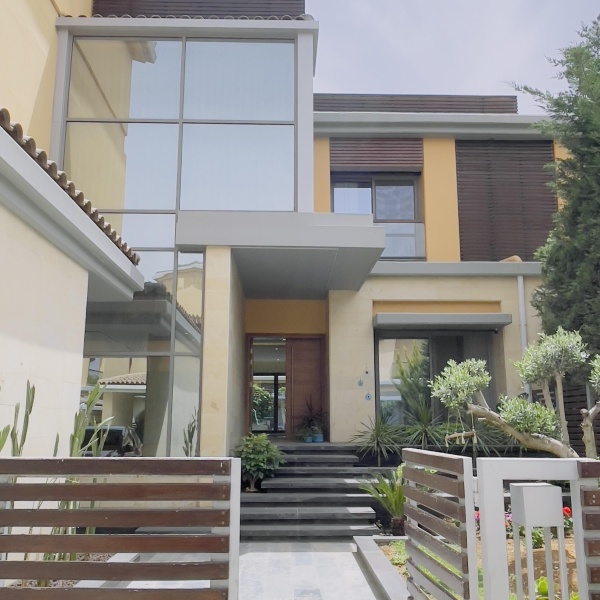

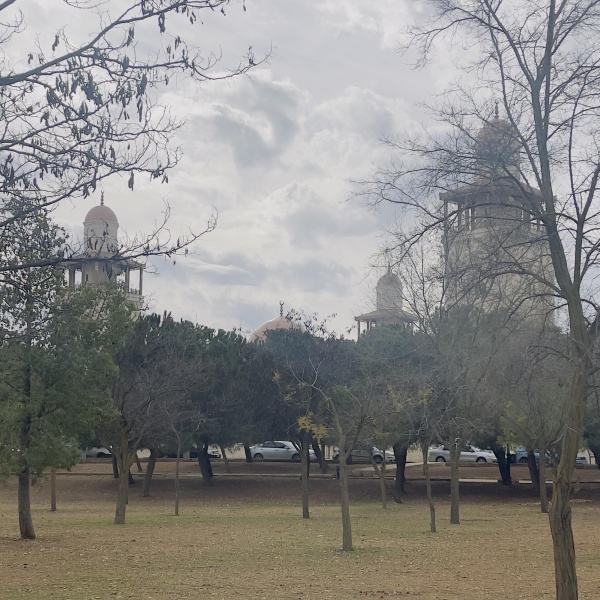
Also Read: Where to Live in Amman? Compare the Best Rental Areas (2026)
Related Posts
News insight
 Sep 18, 2026
 Cafés in Amman With the Best Views of the City
Find cafés and rooftop spots in Amman with views of Downtown, the Citadel and city hills, from Jabal...
 Jan 30, 2026
 Apartment for Rent in Amman – Real Prices, Areas & Living Costs
Apartment for rent in Amman explained clearly. See real rent prices, neighborhood differences, water...
 Jan 18, 2026
 Renting an Apartment in Amman: How to Choose the Right Area and Home
Renting an apartment in Amman? Learn how to choose the right area, budget, and apartment with this p...