

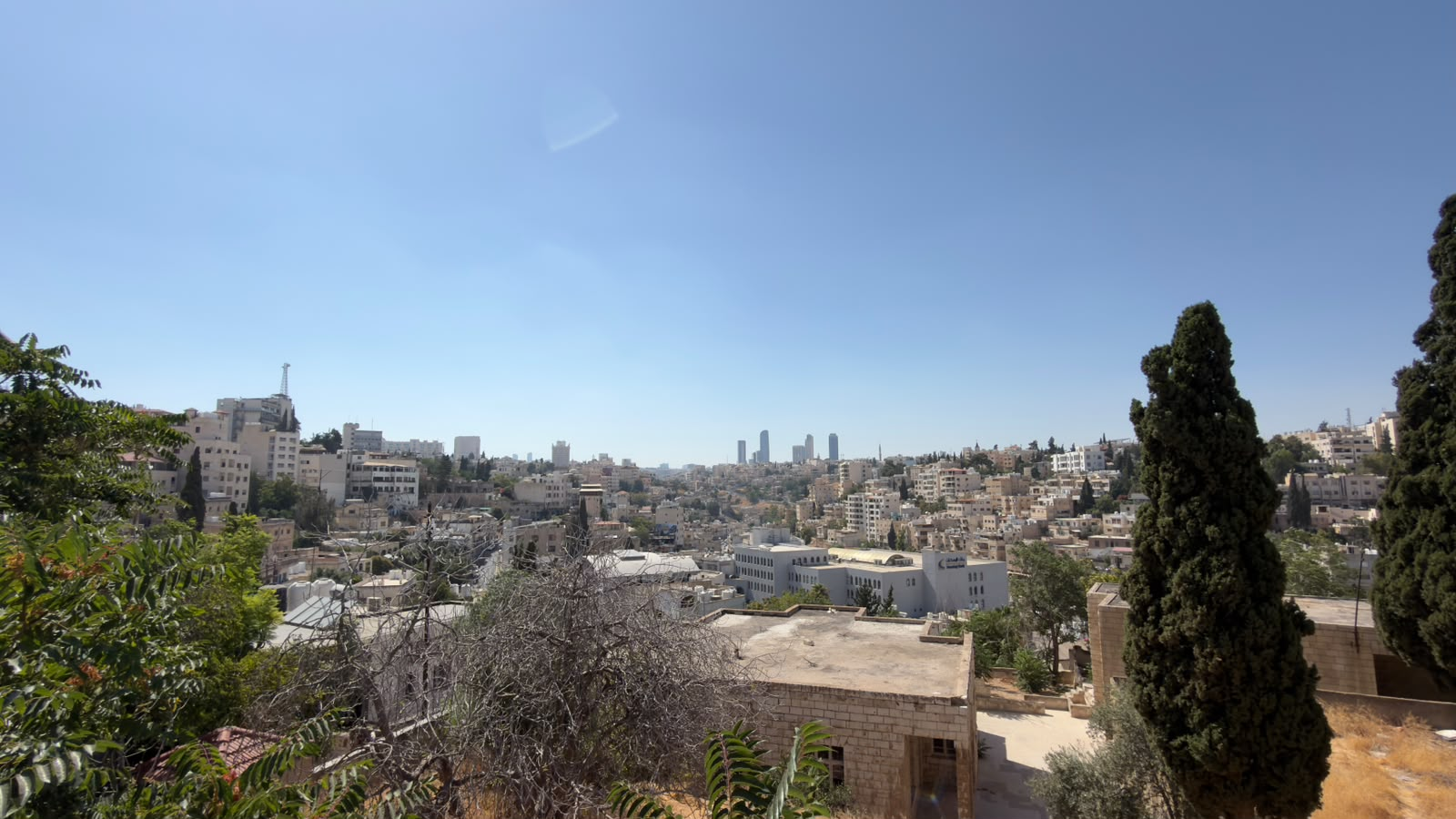

Jabal Amman: The Heart of Old Amman Where History Meets Modern Living

If you've been browsing apartments in Amman for more than a few minutes, you've probably noticed one neighborhood appearing again and again—Jabal Amman.
Some listings highlight its location. Others mention Rainbow Street. Many simply assume you already know why it's one of the city's most desirable places to live.
But what makes it different from neighborhoods like Abdoun, Sweifieh, or Deir Ghbar?
The answer isn't found in a single apartment.
It's found in what life looks like after you leave the building.
Jabal Amman is one of the oldest residential neighborhoods in the capital, yet it remains one of the most sought-after places to rent. Its streets combine historic stone buildings with modern apartments, independent cafés, local restaurants, cultural spaces, and everyday services that residents can often reach on foot. At the same time, Downtown, Abdali, and several embassy districts are only a short drive away, making the neighborhood as practical as it is distinctive.
Whether you're relocating to Jordan, moving within Amman, or searching for a long-term rental, understanding the neighborhood is just as important as comparing floor plans or monthly rent. This guide explains what it's actually like to live in Jabal Amman, the types of apartments you'll find, typical lifestyle advantages, and the factors worth considering before signing a lease.
A Hill That Helped Shape Modern Amman
Long before West Amman expanded with newer residential districts, Jabal Amman had already become one of the city's most established addresses.
The neighbourhood occupies one of the seven hills on which modern Amman originally developed. After Amman became the capital of Transjordan in the early twentieth century, government officials, business families, military officers, and public figures began building homes across this hill. Many of those limestone houses still stand today and remain among the finest examples of early residential architecture in the city.
Walking through the area, it's easy to recognise that history.
Instead of identical apartment blocks stretching from one street to the next, you'll find homes with deep front porches, carved stone details, mature gardens, and balconies overlooking neighbouring hills. Some buildings have been carefully restored and now serve as cafés, galleries, boutique hotels, or offices. Others continue to function as private homes or have been converted into apartments while preserving their original appearance.
That gradual evolution has given Jabal Amman something many growing cities struggle to maintain: continuity.
The neighbourhood has changed with each generation without losing the character that first made it desirable.
Streets That Invite You to Slow Down
Driving through Jabal Amman tells only part of the story.
The neighbourhood is best understood on foot.
The roads follow the natural slope of the hill rather than a strict grid, creating short staircases, quiet lanes, and viewpoints that appear unexpectedly between buildings. Around almost every corner there's something that encourages you to stop for a moment—a restored stone villa, a small independent bookshop, a bakery preparing fresh bread, or a terrace looking across the city's white limestone skyline.
Daily routines feel different here.
Morning begins quietly as neighbourhood cafés prepare for the day and residents walk to nearby bakeries or grocery stores. By late afternoon, more people appear on the sidewalks. Friends meet for coffee after work, families head out for dinner, and visitors wander through streets that have changed remarkably little despite the city's rapid growth.
This walkability is one reason the area remains attractive. Many parts of Amman require driving even for short errands. In Jabal Amman, it's still possible to spend an evening without starting the car.
Rainbow Street Is Only One Chapter of the Story
Ask someone outside Jordan what they know about Jabal Amman, and Rainbow Street is usually the first place they mention.
The street deserves its reputation, but it doesn't define the entire neighbourhood.
Originally known as Abu Bakr Al Siddiq Street, it became widely known as Rainbow Street after the Rainbow Cinema that once operated there. Over the years, former residences have been transformed into independent cafés, restaurants, bookshops, galleries, and small businesses, creating one of Amman's best-known gathering places.
Residents experience it differently from visitors.
A Saturday evening might begin with coffee on a shaded terrace, continue with dinner at a local restaurant, and end with a walk towards the First Circle overlooking the lights of Downtown Amman. During the summer, nearby Souk Jara brings local artisans, handmade products, and food stalls to the area, adding another reason for residents to spend time outdoors.
Living nearby also means knowing when Rainbow Street is at its busiest—and when it's surprisingly peaceful. Step a few streets away from the main stretch, and the atmosphere changes quickly. Traffic fades, the sidewalks become quieter, and residential life takes over again.
That balance between activity and calm is difficult to find elsewhere in central Amman.
Why International Residents Continue Choosing Jabal Amman
Moving to a new city usually begins with practical questions.
How long will the commute be?
Can daily errands be done without driving across town?
Is the neighbourhood quiet enough to live in but active enough to enjoy after work?
Jabal Amman answers those questions better than many parts of the capital.
The neighbourhood sits within easy reach of Downtown, Abdali, several embassy districts, hospitals, universities, and government offices. That central position reduces commuting time for many professionals while keeping everyday services close to home. Cafés, supermarkets, pharmacies, bakeries, and fitness centres are all scattered throughout the surrounding streets, making daily routines simpler than in areas where every errand requires a longer drive.
The neighbourhood also feels familiar to people arriving from abroad. English is commonly spoken in cafés, restaurants, shops, and many businesses, making the first few weeks of settling into Amman much easier for newcomers.
Another advantage is variety.
Some residents choose modern furnished apartments with elevators, underground parking, and secure entrances. Others prefer restored stone buildings with larger rooms, high ceilings, and architectural details that newer developments rarely offer.
That choice is part of what keeps demand steady throughout the year.
Coffee, Food, and Everyday Life
People often talk about Rainbow Street, but daily life extends well beyond one road.
The surrounding streets are filled with independent cafés where regular customers are recognised after only a few visits. Some occupy restored villas with shaded gardens, while others overlook the surrounding hills from rooftop terraces.
Restaurants reflect the same variety.
Traditional Jordanian cooking sits alongside Levantine cuisine, Italian restaurants, bakeries, dessert cafés, and contemporary dining spaces. Instead of one large commercial centre dominating the area, businesses are spread throughout the neighbourhood, encouraging people to walk between them.
That pattern changes how residents spend their evenings.
Rather than driving to a shopping mall, many simply leave home, meet friends for coffee, continue to dinner, and walk back through the neighbourhood afterwards.
Small details like these often become more valuable over time than the apartment itself.
A Neighbourhood That Supports Amman's Creative Community
Jabal Amman has never been only a residential district.
Creative businesses have gradually become part of the neighbourhood without replacing what already existed.
Historic buildings now house galleries, cultural organisations, design studios, independent bookshops, and exhibition spaces. Community events, seasonal markets, and public art activities bring additional visitors while preserving the area's residential character. Nearby cultural institutions and heritage buildings contribute to an environment that feels active throughout the year rather than only during weekends.
This balance attracts architects, designers, writers, entrepreneurs, and remote professionals looking for an area where work and everyday life comfortably overlap.
Instead of separating residential and cultural spaces, Jabal Amman allows both to exist naturally alongside one another.
Apartment Choices Reflect the Neighbourhood's History
Apartment hunting in Jabal Amman looks different from searching in many newer districts.
Large residential compounds built to identical specifications are relatively uncommon.
Instead, the housing market reflects decades of gradual development.
One street may contain a carefully restored limestone villa divided into several apartments. A few minutes away, a recently completed residential building offers modern layouts, covered parking, elevators, and contemporary interiors.
That variety gives prospective tenants more flexibility.
Furnished Apartments
Professionals relocating to Jordan, embassy staff, consultants, and international students often prefer furnished apartments because they can move in immediately without purchasing furniture. These properties usually include essential appliances, kitchen equipment, and living room furniture, making them practical for medium-term assignments or temporary relocation.
Unfurnished Apartments
Long-term residents often choose unfurnished apartments instead. Monthly rent is usually lower than comparable furnished units, and tenants have complete freedom to furnish the property according to their own preferences.
Restored Heritage Homes
Some of the neighbourhood's most distinctive rental properties occupy converted limestone houses dating back several decades. These homes often include high ceilings, thick stone walls, original architectural features, spacious balconies, and layouts rarely found in newer apartment developments.
No two properties feel exactly alike.
That individuality is one reason apartment searches in Jabal Amman often take longer than in districts where buildings follow similar designs.
Living Here Feels Different From Living in a New Development
Many modern neighbourhoods offer wider roads, newer buildings, and larger residential complexes.
Jabal Amman offers something less obvious.
Character develops over time.
The local bakery that has served residents for years. The café where people meet every Thursday evening. The staircase connecting two streets that saves a ten-minute walk. The family-run grocery store that remembers regular customers.
These details rarely appear in property listings, yet they shape daily life more than polished apartment photographs.
People moving here aren't simply choosing square metres or interior finishes.
They're choosing an established neighbourhood with routines that have developed over generations.
That difference becomes easier to appreciate after spending time here than by reading property descriptions online.
How Jabal Amman Compares With Other Popular Neighborhoods
Every neighborhood in Amman has its own strengths. The right choice depends on your daily routine, budget, and the type of home you're looking for.
Abdoun is often chosen by people looking for newer luxury apartments, larger villas, and quieter residential compounds. Rental prices are generally higher, and many properties include modern amenities such as underground parking, gyms, and private security. While Abdoun offers an upscale residential environment, it doesn't have the same historic streets or walkable atmosphere that defines Jabal Amman.
Sweifieh is one of the city's busiest commercial districts. Shopping centres, offices, cafés, restaurants, and hotels attract people throughout the day. Living there means having almost everything close by, but traffic and parking can become challenging during peak hours.
Deir Ghbar appeals to families looking for spacious apartments, international schools, and a quieter environment. The area has grown steadily over the years and remains one of the preferred residential locations for long-term living.
Jabal Al-Weibdeh shares some similarities with Jabal Amman. Both neighbourhoods are known for older architecture, cafés, galleries, and creative communities. Al-Weibdeh generally feels smaller and quieter, while Jabal Amman offers quicker access to Rainbow Street, the Circles, Downtown, and Abdali.
No neighborhood is objectively better than another.
Someone working near Abdali may appreciate Jabal Amman's central location. A family wanting a larger apartment with easier parking may lean toward Deir Ghbar. Someone looking for luxury amenities might choose Abdoun.
The best apartment is usually the one that fits your everyday routine rather than simply matching a list of features.
Before Renting an Apartment in Jabal Amman
Apartment searches often begin with photographs and rental prices, but neither tells the full story.
Take time to walk through the surrounding streets before making a decision. Visit during the afternoon and again after sunset. Observe traffic, parking availability, nearby shops, and the general atmosphere. A neighbourhood can feel very different depending on the time of day.
If you're considering an older property, ask when the apartment was last renovated. Many heritage buildings have been modernised internally while preserving their original appearance, but it's still worth checking plumbing, electrical systems, heating, cooling, and internet availability.
Parking deserves attention as well.
Some traditional buildings were constructed long before private cars became common, meaning dedicated parking isn't available everywhere. If you drive every day, confirm parking arrangements before signing the lease.
Read the rental agreement carefully and make sure the monthly rent, security deposit, maintenance responsibilities, payment schedule, and lease duration are clearly documented. If the landlord has agreed to carry out repairs or provide additional furniture before you move in, those details should appear in writing.
Finally, don't choose an apartment simply because it looks attractive online.
Spend enough time in the neighbourhood to imagine ordinary weekdays rather than weekends. Buying groceries, commuting to work, meeting friends for coffee, or walking home after dinner are the routines that will shape your experience far more than the apartment photographs.
Is Jabal Amman the Right Place to Live?
Jabal Amman isn't the newest part of the city, and that's exactly why many people choose it.
The neighbourhood has had decades to develop its own identity. Historic limestone houses remain part of everyday life. Independent cafés sit beside long-established family businesses. Streets encourage walking, yet major business districts remain only a short drive away.
People searching for a quiet suburban environment may prefer another part of Amman. Those looking for large residential compounds with identical apartment layouts may also find better options elsewhere.
Jabal Amman attracts residents who value location, character, walkability, and a neighbourhood that feels established rather than recently built.
That combination has kept it among Amman's most sought-after residential areas for generations, and it continues to appeal to people arriving in the city for work, study, business, or a long-term move.
Choosing a home is never only about square metres or monthly rent.
The neighbourhood becomes part of your everyday life.
Jabal Amman has been shaping daily life in Amman for more than a century, and it continues to do so without losing the qualities that made people choose it in the first place.
Also Read: How to Avoid Rental Scams in Amman: Warning Signs Every Renter Should Know
News insight
 Oct 09, 2026
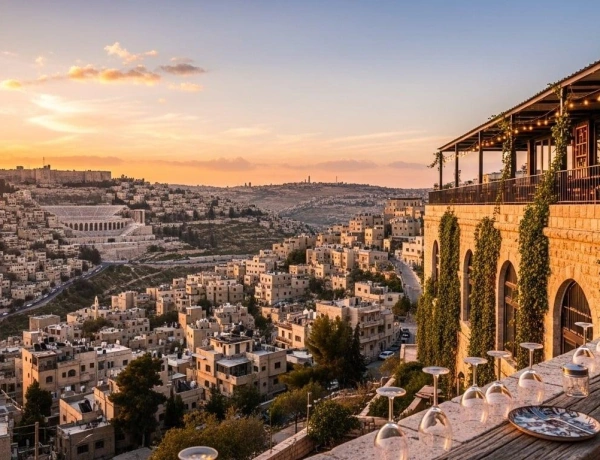
 Where to Live in Amman, Jordan: Weibdeh, Jabal Amman and Abdoun
Explore life in Jabal Al Weibdeh, Jabal Amman, and Abdoun, from traditional stone homes and café str...
 Oct 02, 2026
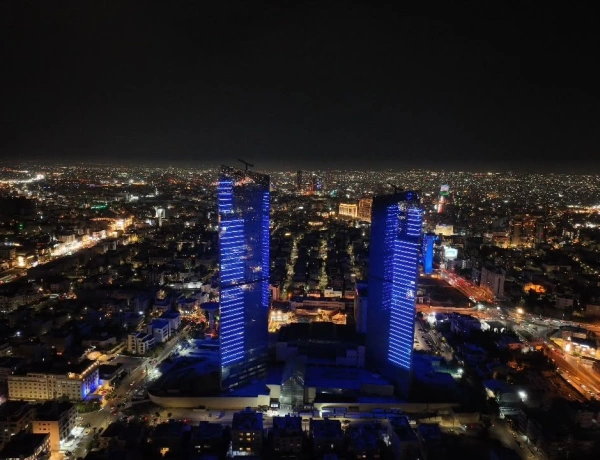
 Is 6th Circle a Good Place to Live in Amman?
Is 6th Circle right for your next apartment in Amman? Compare rent, traffic, nearby areas, restauran...
 Sep 25, 2026
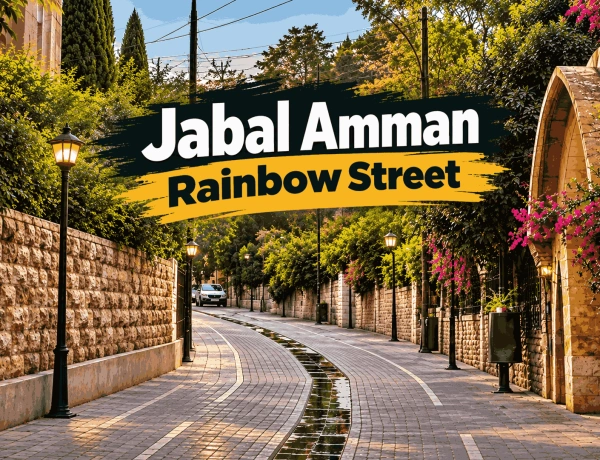
 Rainbow Street Amman: The Old Heart of Jabal Amman
Rainbow Street Amman runs through historic Jabal Amman, with old stone houses, cafés, galleries, hil...